The Iraqi bitumen export market has entered a period of significant logistical restructuring, with exporters increasingly relying on alternative transport corridors as geopolitical tensions continue to disrupt traditional shipping routes across the Gulf.
According to the latest Argus Bitumen (31 July 2026) report, regional trade flows have shifted considerably during July, with Iraq-origin bitumen playing a growing role in supplying Mediterranean and North African markets through Turkish export terminals rather than direct Gulf shipments.
Iraqi Kurdistan Becomes a Strategic Supply Source
One of the most notable developments highlighted by Argus is the increasing importance of refineries located in the Kurdistan Region of Iraq.
Argus reports that cargoes delivered into Libya during July originated largely from Iraqi Kurdistan bitumen transported to the Turkish terminals of Dörtyol and Mersin before being exported by sea.
A cargo of up to 30,000 tonnes aboard the White Pearl was discharged into Benghazi after loading at Dörtyol, while additional cargoes aboard Iver Bitumen and Marlin Pearl were shipped to Tripoli from Mersin and Greece respectively. Due to the continuing shortage of Italian supplies, Libyan buyers increasingly sourced cargoes loaded in Turkey, much of which originated from bitumen-producing refineries in Iraqi Kurdistan.
Turkish Export Hubs Gain Market Share
Export activity from Turkey's Ceyhan region reached its highest level of the year during July.
According to Argus, shipments loaded through the Maris Petrokimya terminal in Mersin totaled approximately 24,000 tonnes, with market participants indicating that these cargoes originated from Iraq and helped ease regional supply shortages.
Meanwhile, Turkish exports have become an increasingly important alternative for buyers facing limited spot availability from Mediterranean refiners.
Mediterranean Market Continues to Rely on Iraqi Supply
The Mediterranean market remains affected by reduced production from several European refineries, particularly in southern Italy.
Extended production outages at Taranto refinery and restricted Italian export availability have encouraged importers in Algeria, Morocco and Libya to diversify their supply sources.
Argus notes that this environment has increased the strategic importance of Iraqi-origin cargoes moving through Turkey, particularly for North African destinations where demand remains healthy despite recent price corrections.
Market Pricing
Market indications during the week reflected continued volatility driven by freight costs and changing logistics.
Recent market discussions indicated:
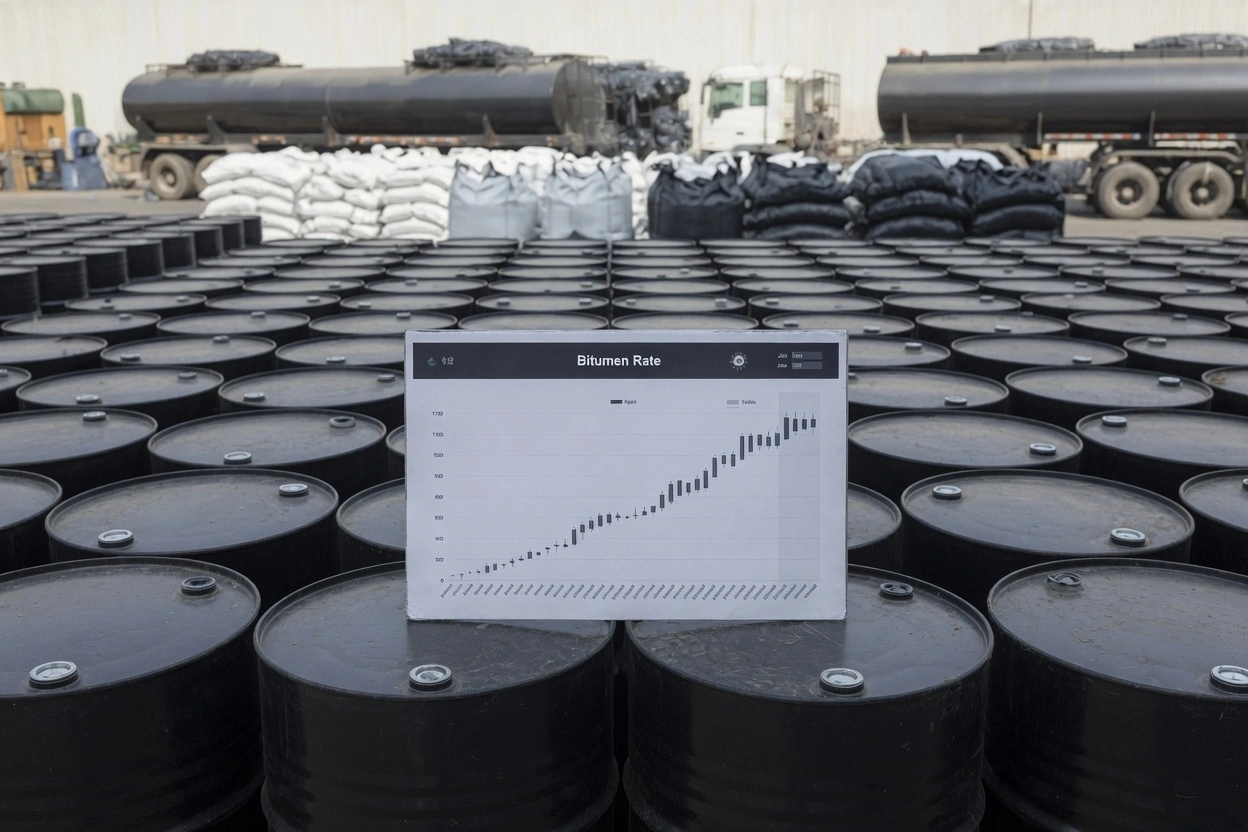
Iraqi southern drum bitumen offered around US$520/t FOB Umm Qasr
Jumbo bag cargoes around US$500/t FOB Umm Qasr
Drum cargoes exported through FOB Mersin traded near US$480/t
Jumbo bag cargoes for African destinations indicated around US$460–470/t FOB Mersin
Offers to Kandla, India around US$665/t CFR, while buyers showed stronger interest in smaller shipments through Aqaba around US$585/t CFR
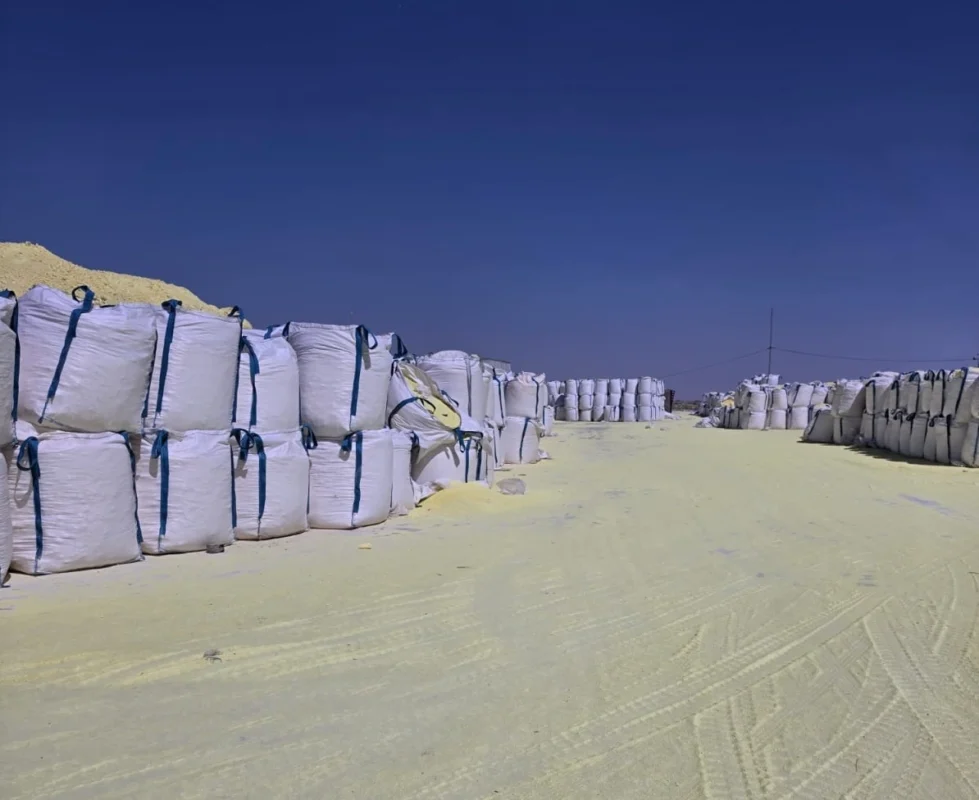
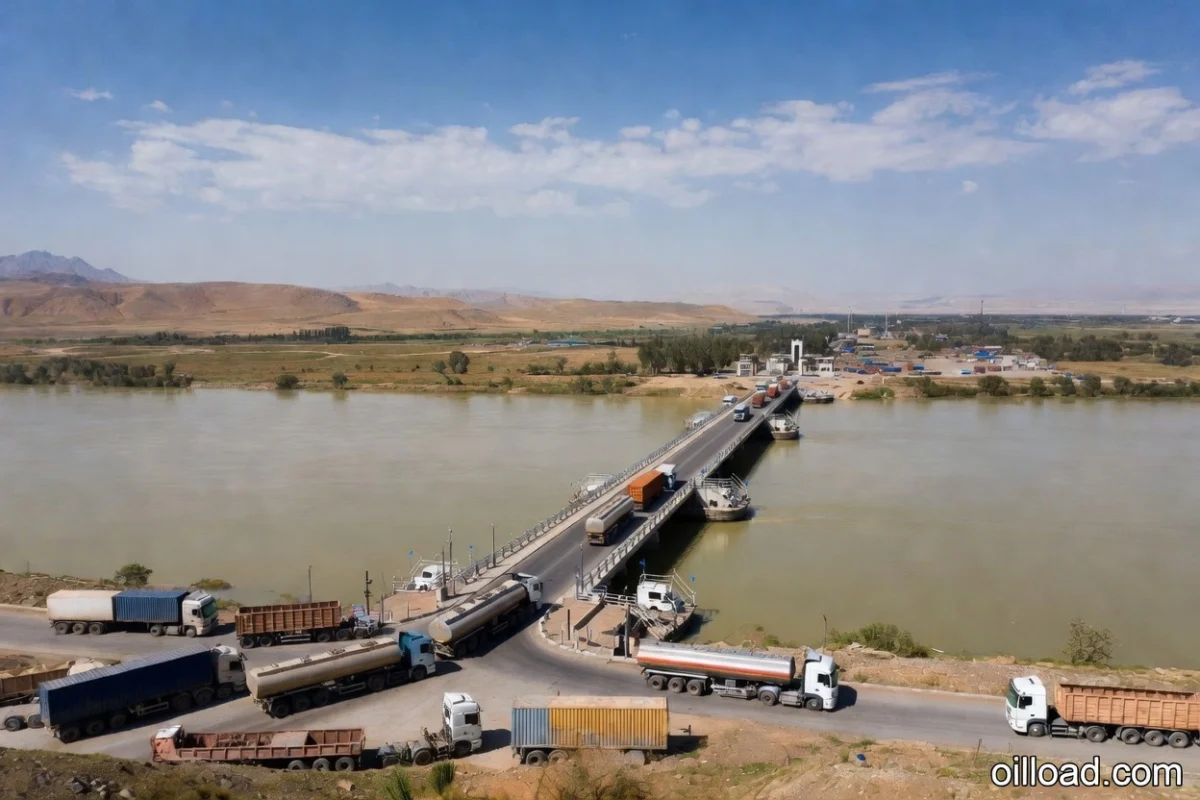
Bulk cargoes from the Kurdistan Region traded around US$430/t delivered Doğubayazıt, demonstrating the growing competitiveness of overland export routes.
Outlook
Although direct exports from southern Iraq continue to face logistical challenges, regional demand remains firm.
North African importers continue to secure replacement cargoes, while buyers across South Asia and Central Asia are actively seeking reliable suppliers capable of maintaining stable deliveries despite ongoing geopolitical uncertainty.
As logistics increasingly determine competitiveness, exporters with diversified transport networks and access to multiple export corridors are expected to strengthen their market position.
Oil-Load Group Expands Bitumen Supply to Central Asia and Afghanistan
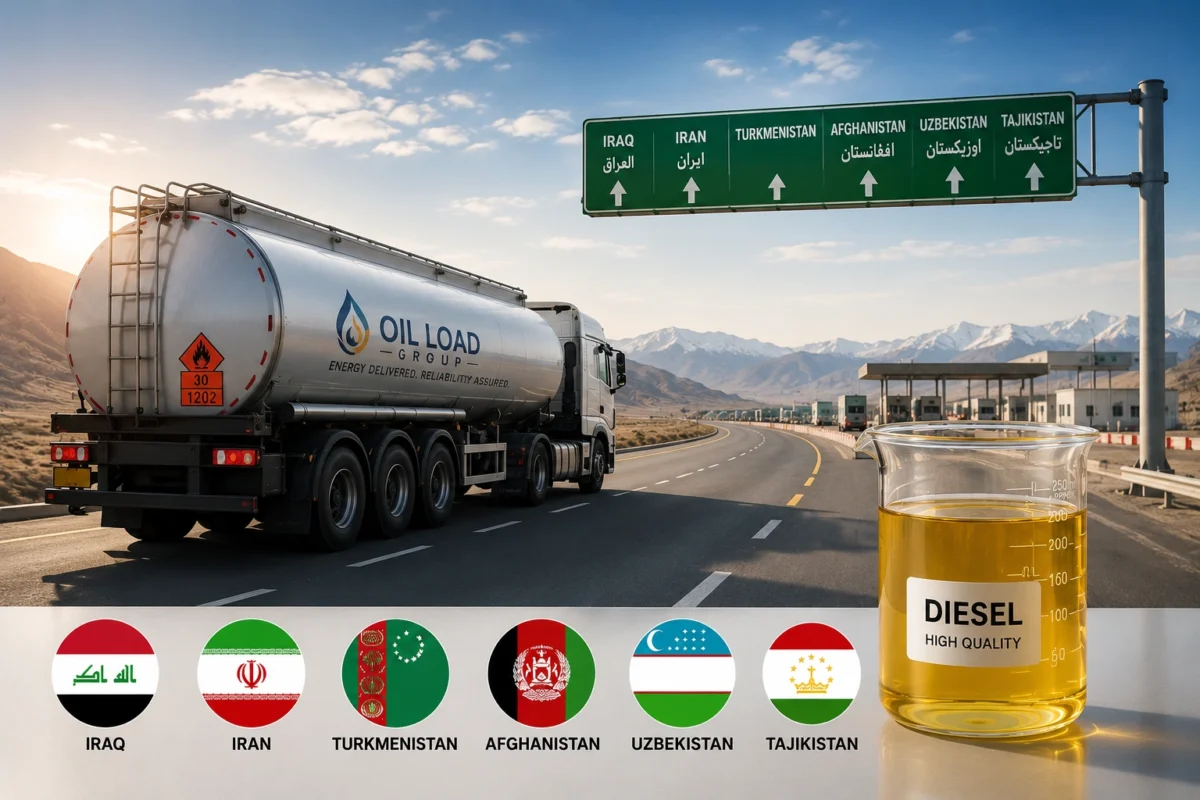
Responding to these changing trade dynamics, Oil-Load Group has officially expanded its bitumen export operations from the Kurdistan Region of Iraq to the markets of Afghanistan, Uzbekistan and Tajikistan.
The company now supplies penetration-grade bitumen in both Jumbo Bags and Steel Drums, utilizing efficient overland logistics through the following border crossings:
Sarakhs – Gateway to Turkmenistan and Central Asia
Lotfabad – Direct access to Turkmenistan, Uzbekistan and Tajikistan
Milak – Southern Afghanistan
Mahirud – Western and Central Afghanistan
As a global-scale bitumen supplier, Oil-Load has expanded its distribution network to these border points, enabling reliable and timely supply for road construction and infrastructure projects in Central Asia and Afghanistan. By utilizing Kurdistan Region sources — currently one of the few remaining operational and reliable channels — the company can maintain continuous, high-quality supply despite Strait of Hormuz disruptions.
At the time of writing this article, Oil-Load bitumen cargoes for land transport are being loaded at the following freight rates:
FREIGHT RATES
Bitumen from Sulaymaniyah – Iraq to Doğubeyazıt – Turkey
- Rate: $150 USD / MT
- Bonus: $100 USD
- Heating: 50 Dinar
Bitumen from Sulaymaniyah – Iraq to Erzurum – Göven – Turkey
- Rate: $165 USD / MT
- Bonus: $100 USD
- Heating: 50 Dinar
Bitumen from Bashmaq Site to Doğubeyazıt – Turkey
- Rate: $105 USD / MT
Bitumen from Bashmaq – Iran to Erzurum Göven – Turkey
- Rate: $130 USD / MT
Bitumen by Oil-Load from Sulaymaniyah
to Sarakhs
- $1,400 per truck
to Lotfabad
- $1,250 per truck
Supported by long-term relationships with major producers in Iraqi Kurdistan, an established regional logistics network and extensive experience in petroleum product exports, Oil-Load Group provides reliable and continuous bitumen supply for infrastructure, highway and industrial projects throughout Central Asia and Afghanistan.
As regional trade patterns continue to evolve, Oil-Load Group remains committed to delivering secure supply chains, competitive pricing and dependable logistics for international bitumen buyers.