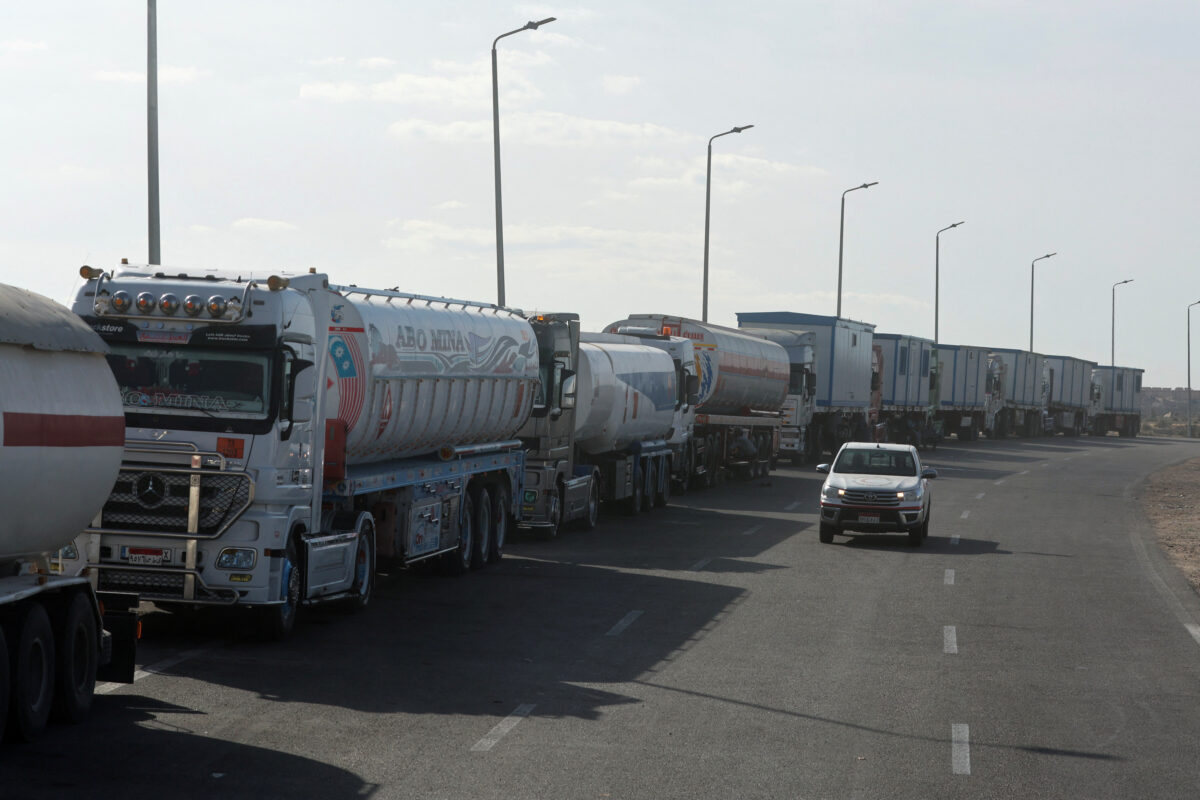
Iran Heavy, Iran Light, Soroush, and Forozan Blend are four grades of crude oil produced in Iran.
Iran is one of the world’s largest crude oil producers, offering a diverse range of crude grades tailored to different refinery configurations. The four primary export grades — Iran Heavy, Iran Light, Soroush, and Forozan Blend — form the backbone of Iran’s crude oil exports. These grades vary significantly in density (API Gravity), sulfur content, viscosity, and hydrocarbon composition, making each suitable for specific refining processes.
1. Iran Light
Iran Light is a medium to light crude oil and one of Iran’s most popular export grades. It is highly valued for its good yield of high-quality light products.
Key Specifications:
- API Gravity: Approximately 33.6°
- Sulfur Content: 1.46% by weight
- Viscosity: Around 19.5 mm²/s at 10°C
- Ideal for: Production of gasoline, kerosene, and high-quality gasoil
Due to its balanced quality and relatively lower processing costs, Iran Light is favored by many medium-complexity refineries.
2. Iran Heavy
Iran Heavy is the highest-volume exported grade from Iran. It is a heavier crude, best suited for complex refineries equipped to handle high residual fuel content.
Key Specifications:
- API Gravity: Approximately 29.6°
- Sulfur Content: 2.24% by weight
- Yields: Higher in fuel oil and asphalt, lower in gasoline
This grade is typically offered at a discount compared to lighter crudes and serves as a major revenue source for Iran.
3. Soroush (Sooroosh)
Soroush is one of the heaviest crude grades produced in Iran, extracted from offshore fields in the Persian Gulf. Due to its very high viscosity, it often requires diluents for transportation.
Key Specifications:
- API Gravity: 19–20° (Very heavy)
- Sulfur Content: 3–4%
- Characteristics: High asphaltene content, extremely viscous
Soroush is an economical choice for highly complex refineries with advanced upgrading and coking units.
4. Forozan Blend
Forozan Blend is a blend of offshore crudes with characteristics similar to Iran Heavy but slightly heavier.
Key Specifications:
- API Gravity: Approximately 30.4°
- Sulfur Content: 2.21% by weight
- Best suited for: Production of heavy industrial products
This blend is attractive for refineries seeking higher residuum yields.
Comparison of the Four Grades
| Grade | API Gravity | Sulfur (%) | Type | Primary Applications |
|---|---|---|---|---|
| Iran Light | 33.6 | 1.46 | Medium-Light | Gasoline, gasoil, light products |
| Iran Heavy | 29.6 | 2.24 | Heavy | Fuel oil, asphalt |
| Forozan Blend | 30.4 | 2.21 | Heavy | Heavy industrial products |
| Soroush | 19–20 | 3–4 | Very Heavy | Upgrading, coking, specialty products |
Main Destination Markets
Due to international sanctions, Iran’s crude export patterns have become highly concentrated. China accounts for over 90% of Iran’s total crude oil exports, including all four grades.
Key Destination Breakdown:
- China (90%+ of total exports): The dominant buyer of all Iranian crude grades. Independent “teapot” refineries in Shandong province are the largest purchasers.
- Iran Light: Preferred for its high yield of light products.
- Iran Heavy and Forozan Blend: Used for maximizing heavy product output.
- Soroush: Processed in facilities with upgrading capabilities. China often uses transshipment routes through Malaysia, UAE, and Oman to bypass sanctions.
- India: Historically a significant buyer, but volumes have declined sharply due to sanctions. Purchases are now mostly indirect and limited.
- UAE, Oman, and Malaysia: Primarily act as transshipment hubs rather than end consumers. The crude is often blended or relabeled before being shipped to final destinations (mainly China).
- Other Minor Destinations: Syria, Venezuela, and occasionally Bangladesh or Sri Lanka, with very small volumes.
In recent years, Iran’s export market has become heavily dependent on China, significantly reducing market diversification.
Why These Grades Matter
The variety of these four grades allows Iran to meet the technical needs of different refineries worldwide — from simpler Asian facilities that prefer Iran Light to highly complex Chinese refineries that maximize margins using Iran Heavy and Soroush.
At oilload, we provide accurate, up-to-date information on specifications, pricing, market analysis, and export trends of these Iranian crude grades for traders, refiners, and investors. Monitoring the Chinese market and transshipment routes remains critical for success in trading these crudes amid current geopolitical conditions.