Shipping Flows, Pricing Signals, and Regional Bitumen Demand Trends
Prepared by OilLoad Group
The Kurdistan Region of Iraq continues to play a quiet but strategically important role in regional and international bitumen supply chains. January 2026 trading activity highlights a mix of steady export logistics, soft demand in key markets, and price pressure driven by regional geopolitical and seasonal factors.
Key Shipping Developments
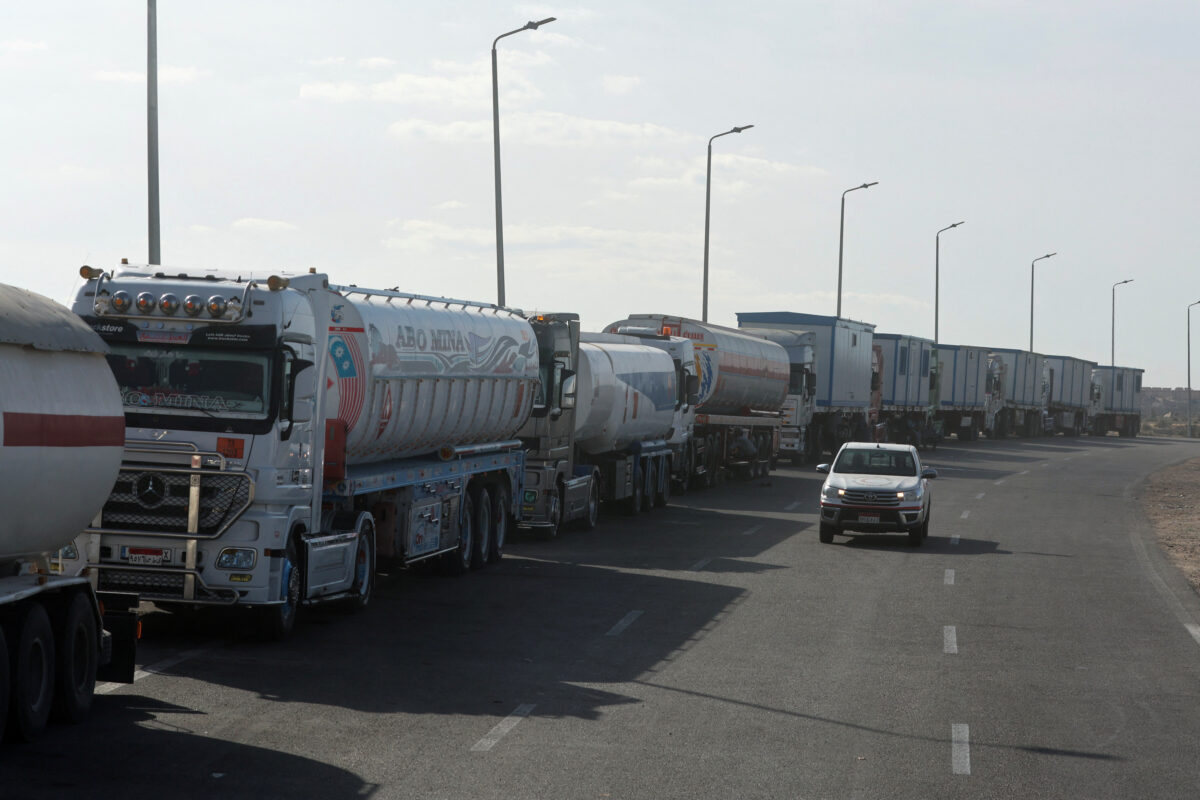
One of the most notable shipments in January was carried by the 36,819 dwt tanker Star River, operating under time charter by Trafigura. The vessel loaded at TransMed’s Dortyol export terminal in the Ceyhan area of southeastern Turkey. This terminal aggregates bitumen volumes trucked from the Lanaz refinery in Iraqi Kurdistan, enabling Kurdish-origin material to access seaborne export markets.
After loading, Star River sailed westbound through the Mediterranean before heading south along the northwest African coast. Market participants indicated West Africa as the likely destination, with an estimated arrival between 23–24 January. The final discharge port had not been publicly disclosed at the time of reporting.
Trafigura is also understood to have an arrangement with Rubis allowing flexibility between Star River and the 37,000 dwt tanker The Judge, although The Judge was engaged in non-bitumen movements earlier in January, likely carrying fuel oil or vacuum gasoil from northwest Europe to Spain.
These shipments underline the importance of Turkey-based export terminals as logistical gateways for Kurdistan-origin bitumen.
West Africa and Nigeria: Continued Import Activity
West Africa remained one of the most active destinations for bitumen cargoes in early January. Nigerian terminals, particularly Ardova’s Apapa import terminal in Lagos, received multiple shipments from diverse origins:
White Sky (5,927 dwt) arrived on 30 December after loading at Helleniq Energy’s Aspropyrgos refinery in Greece.
Iver Blessing (6,189 dwt) arrived on 4 January with cargo loaded at Mersin, Turkey, where exports are also supplied by trucked bitumen from Iraqi Kurdistan refineries.
This confirms Kurdistan’s indirect but consistent participation in Nigerian supply flows via Turkish ports.
Export Market Conditions: Tepid Activity
Trading activity for bitumen exports from the Kurdistan region remained muted in January, largely due to ongoing unrest in Iran, where many cargoes are typically transshipped. Market offers were reported as low as $298/t FOB Bandar Abbas, with most offers capped near $310/t FOB.
Demand from India weakened, particularly in northern regions, where poor seasonal consumption limited buying interest. At the same time, southern Iraq showed no notable export discussions, reflecting a broader regional slowdown.
European Context: Kirkuk Crude and Falconara
In Europe, Falconara refinery operations were again linked to bitumen-rich Iraqi Kirkuk crude, which had been absent since exports were halted in March 2023. The refinery received its first Kirkuk cargo in December, following the resumption of crude exports via Ceyhan in late September, adding another layer of relevance to northern Iraq’s energy flows.
Drummed Bitumen: Weak Winter Demand, India Focus
Demand for drummed bitumen remained soft due to inclement winter weather in northern consuming regions. Limited discussions for Iranian-origin drums took place at $345–365/t FOB Bandar Abbas, while Iraqi drums were discussed as low as $300/t FOB.
Despite weak spot activity, post-winter demand from India improved, especially for Iraqi material:
Cargoes were discussed and concluded at $301–315/t FOB Bandar Abbas, with freight estimates of $20–25/t to India’s west coast.
At least 5,000 tonnes of Pen 60/70 Iraqi drums were reportedly sold at $300–306/t FOB, with additional trades at $307–312/t FOB.
Iran-origin drums continued to face weak demand, and while some decanted material was sold in Maharashtra and Gujarat, volumes were insufficient to support broader market recovery.
Exports from southern Iraq slowed, as producers limited offers. Available prices ranged widely between $340–360/t FOB Basra, reflecting thin liquidity rather than strong demand.
OilLoad Insight
January 2026 confirmed that Kurdistan-origin bitumen remains structurally integrated into regional trade, primarily through truck-to-terminal logistics in Turkey. While pricing remains under pressure and demand is seasonally weak, continued shipment activity to West Africa and India highlights the resilience of these flows.
Looking ahead, market recovery will depend on:
Stabilization of Iran-related transshipment routes
Post-winter demand normalization in India
Sustained access to Ceyhan and Turkish export terminals
OilLoad Group will continue to monitor shipping movements, pricing benchmarks, and trade flows related to Kurdistan and regional bitumen markets.