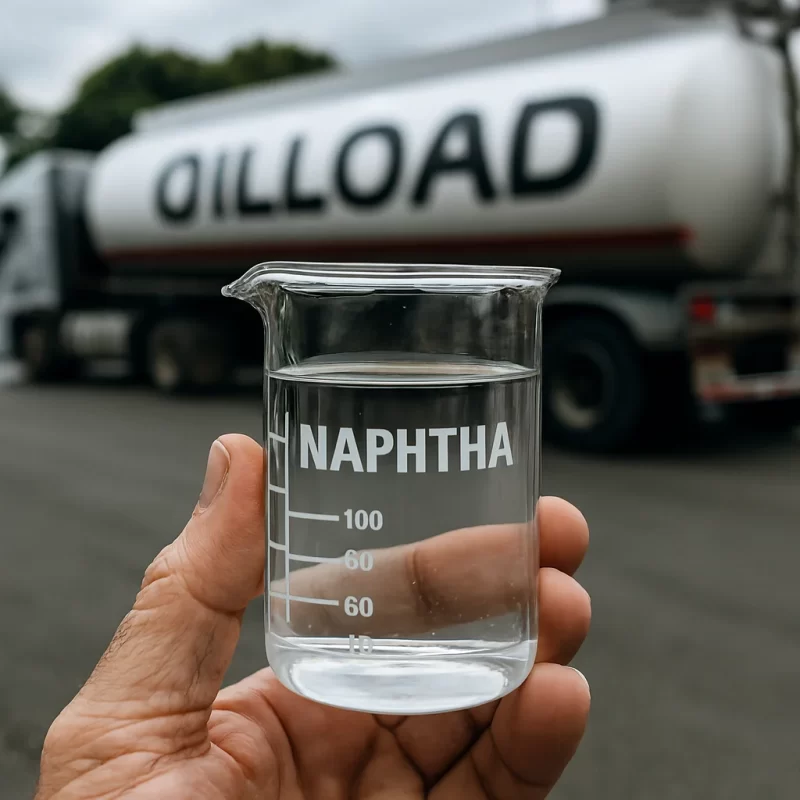
Naphtha Supplier in Iraqi Kurdistan | Petrochemical Feedstock | Gasoline Blending
Introduction
Naphtha is an important petroleum fraction used in petrochemical manufacturing, refinery operations, and gasoline blending. Its commercial value depends on several technical parameters, including sulfur content, vapor pressure, octane rating, density, distillation range, and hydrocarbon composition.
Oil Load supplies naphtha from the Kurdistan Region of Iraq, offering different grades and product specifications for industrial buyers and international trading partners. oilload with produce multiple grades and flexible specification-based supply, Oil Load aims to connect regional petroleum production with the requirements of refineries, petrochemical companies, and fuel-blending businesses.
For Iranian buyers, Iraqi Kurdistan represents a potential regional sourcing option. The suitability of each naphtha grade, however, must be assessed against the receiving facility’s technical requirements, applicable regulations, logistics, and commercial terms.
1. Oil Load Naphtha: Product Grades and Technical Specifications
Oil Load's naphtha portfolio includes products with varying physical and chemical characteristics. Depending on the available production batch and the agreed contractual specification, buyers can evaluate different sulfur levels, vapor pressures, octane ratings, and distillation profiles.
The Oil Load naphtha analysis provided for this article includes seven samples identified as OL1, OL2, OL3, OL4, OL5, OL6, and OL7.
The reported Oilload laboratory data show the following ranges:
| Parameter | Unit | Reported Sample Range |
|---|---|---|
| Density at 15.6°C | g/cm³ | 0.6875–0.7294 |
| Research Octane Number (RON) | — | 85.7–87.0 |
| Motor Octane Number (MON) | — | 83.4–85.4 |
| Aromatics | Vol% | 4.2–11.1 |
| Olefins | Vol% | 0.4–2.8 |
| Oxygenates | Vol% | 0.69–3.63 |
| Initial Boiling Point (IBP) | °C | 33.3–39.0 |
| Final Boiling Point (FBP) | °C | 181.7–184.6 |
| DVPE | kPa | 22.03–76.28 |
| Total Sulfur | wt% | 0.00155–0.1898 |
Note: These values represent the seven samples in the supplied analysis. They are not guaranteed specifications for every commercial shipment. Buyers should request the current batch Certificate of Analysis (CoA) and confirm the contractual limits before placing an order.
2. Sulfur Content: A Key Factor in Naphtha Pricing
Sulfur content is one of the most important parameters in petroleum product procurement. It can affect processing requirements, downstream equipment, product quality, and the economics of using naphtha in different applications.
Oil Load's commercial naphtha offering includes low-sulfur options and grades marketed for sulfur specifications up to approximately 350 ppm and 750 ppm, subject to availability and confirmation of the applicable product specification.
A buyer evaluating naphtha should distinguish between the following categories:
Ultra-low-sulfur naphtha: Intended for applications with particularly strict sulfur requirements, subject to verified analysis.
Low-sulfur naphtha: Suitable for evaluation by refineries and industrial consumers whose feedstock limits match the delivered specification.
Higher-sulfur naphtha: Potentially attractive to buyers whose facilities can accept the sulfur level or process the material economically.
The actual commercial classification must be based on the batch analysis rather than the grade name alone.
Sulfur content can be expressed in parts per million (ppm) or weight percent (wt%). For conversion:
1 wt% sulfur = 10,000 ppm sulfur.
For example, 0.01 wt% corresponds to 100 ppm, while 0.075 wt% corresponds to 750 ppm.
The supplied OL1–OL7 sample table includes sulfur results ranging from approximately 15.5 ppm to 1,898 ppm. Therefore, not every sample in that table falls within the 750 ppm commercial specification. Buyers should request a separately verified analysis for the grade they intend to purchase.
3. Vapor Pressure and Octane Number: Understanding Their Commercial Value
Vapor Pressure (DVPE)
Vapor pressure affects the volatility and handling characteristics of naphtha. It is particularly relevant when evaluating gasoline-blending components, storage conditions, transportation requirements, and seasonal fuel specifications.
The reported Oil Load samples show DVPE values ranging from 22.03 to 76.28 kPa. This variation provides an important basis for matching a particular sample with the requirements of a prospective buyer.
A higher vapor pressure is not automatically an advantage. Its commercial value depends on the intended application, the blending formulation, the receiving facility's operating conditions, and applicable fuel regulations.
Octane Number: RON and MON
RON and MON are important indicators when naphtha is being considered for gasoline blending.
The supplied Oil Load sample analysis reports RON values between 85.7 and 87.0 and MON values between 83.4 and 85.4.
These figures help buyers assess the potential blending contribution of the material. Nevertheless, octane numbers alone do not establish suitability as petrochemical feedstock. A steam cracker or another chemical-processing unit requires a broader evaluation of hydrocarbon composition, distillation characteristics, contaminants, and operating requirements.
4. Naphtha as Petrochemical Feedstock
Naphtha is used as a feedstock in several petrochemical value chains. Its suitability depends on the process technology and the required product slate.
Steam Cracking and Olefin Production
In suitable steam-cracking facilities, naphtha can be processed to produce ethylene, propylene, and other hydrocarbon products.
Before accepting a naphtha cargo, the operator generally needs to assess:
Sulfur and other relevant contaminants
Distillation profile and boiling range
Paraffin, naphthene, and aromatic composition
Oxygenates and other components that may affect processing
Expected product yields and operating costs
A low-sulfur grade may be attractive for a facility with strict feedstock limits, but low sulfur alone does not guarantee suitability. The receiving plant must approve the complete specification.
Aromatics and Chemical Processing
Depending on its composition and the available processing technology, certain naphtha streams can be considered for catalytic reforming and related aromatics value chains.
Aromatics content, benzene concentration, feed composition, and the intended process all affect the commercial evaluation. Buyers should therefore compare laboratory analyses with their own feedstock specifications before selecting a grade.
5. Naphtha for Iranian Refineries and Petrochemical Companies
Oil Load Naphtha for Iranian Refineries and Petrochemical Plants – Iraqi Kurdistan Naphtha Grades and Specifications
Iran has an established refining and petrochemical industry with a range of feedstock requirements. For Oil Load, the Iranian market offers opportunities to investigate potential demand for naphtha, provided that technical suitability, import requirements, and commercial feasibility are confirmed.
The following companies and industrial segments are potential targets for technical and commercial discussions. Their inclusion does not indicate that they currently purchase Oil Load naphtha or have approved its specifications.
Tabriz Petrochemical Company
Tabriz Petrochemical Company is a potential contact for evaluating feedstock requirements within Iran's petrochemical industry.
The initial discussion should establish whether a particular Oil Load grade matches the company's current feedstock needs, process configuration, and procurement criteria. Any proposal should be supported by a batch-specific CoA and a clear delivery specification.
Shazand Petrochemical Complex
Shazand Petrochemical Complex is another potential target for investigating naphtha-related feedstock opportunities.
Before proposing a supply contract, Oil Load and the prospective buyer should verify the relevant unit's feedstock requirements, quality limits, available procurement channels, and logistics.
Isfahan Oil Refining Company
Isfahan Oil Refining Company may be considered for an initial discussion regarding refinery feedstocks and potential blending applications.
The relevant technical department should confirm the intended use, acceptable sulfur level, volatility limits, distillation range, and other quality requirements before any particular grade is recommended.
Kermanshah Petrochemical Company
Kermanshah Petrochemical Company is an important Iranian petrochemical producer, but its principal production chain is based on ammonia and urea.
It should not automatically be classified as a direct naphtha consumer for steam cracking. Any potential commercial opportunity would first require verification of a specific application and the company's actual feedstock requirements.
Other Refining and Petrochemical Buyers
Oil Load can also investigate opportunities with other Iranian refineries, petrochemical operators, fuel-blending businesses, and qualified petroleum-product traders.
The most effective approach is to identify facilities that use the relevant type of naphtha, confirm their technical acceptance criteria, and prepare a separate proposal for each prospective buyer.
6. How Oil Load Naphtha Can Be Evaluated for Different Applications
| Application | Key Evaluation Parameters |
|---|---|
| Petrochemical feedstock | Sulfur, hydrocarbon composition, distillation profile, contaminants, process compatibility |
| Gasoline blending | RON, MON, vapor pressure, aromatics, benzene, sulfur, oxygenates |
| Refinery feedstock | Compatibility with refinery configuration, product yield, processing cost |
| Industrial chemical applications | Composition, volatility, contaminants, and application-specific requirements |
There is no single naphtha specification that is optimal for every application. A product that is attractive for gasoline blending may not be the best choice for a steam cracker or a chemical-processing facility.
For this reason, Oil Load recommends evaluating each grade against the buyer's intended use and technical acceptance criteria.
7. How Naphtha Quality Affects the Purchase Price
Naphtha pricing should reflect both the market benchmark and the quality of the specific cargo.
Important pricing factors include:
Sulfur content and the buyer's permitted limits
RON and MON where relevant to gasoline blending
Vapor pressure and seasonal requirements
Distillation characteristics and hydrocarbon composition
Cargo volume and supply availability
Loading location, transportation, insurance, and delivery terms
Inspection requirements, payment conditions, and applicable import costs
A practical commercial structure is:
Delivered Price = Reference Price + Logistics Costs + Applicable Charges ± Quality Adjustment
The quality adjustment should be agreed by the buyer and seller using defined specifications and a transparent commercial basis. It should not be based on sulfur content or octane alone.
For example, a low-sulfur grade may command a premium where the buyer has strict sulfur limits. However, its final value also depends on vapor pressure, composition, process suitability, and the costs associated with receiving the cargo.
Oil Load can discuss available grades and commercial terms with buyers once the required specification, destination, volume, and delivery conditions have been established.
8. Regional Supply and Logistics from Iraqi Kurdistan
Oil Load operates in the Kurdistan Region of Iraq and identifies Sulaymaniyah and Erbil among its regional operating locations.
For prospective Iranian buyers, the commercial assessment should consider the agreed loading point, route availability, border and customs procedures, transportation arrangements, documentation, and the final delivery location.
The appropriate delivery terms must be confirmed for each transaction. Availability at a particular reservoir or delivery point should also be verified before a purchase commitment is made.
Buyers should establish the following details during the initial inquiry:
Required naphtha specification and maximum sulfur content
Intended application and technical acceptance limits
Required quantity and delivery schedule
Destination and preferred delivery terms
Inspection, sampling, and documentation requirements
Payment terms and applicable import procedures
All transactions remain subject to applicable laws, export and import requirements, sanctions restrictions, and relevant trade compliance procedures.
9. Why Contact Oil Load for Naphtha Supply?
Oil Load offers a regional sourcing and supply platform for petroleum products from Iraqi Kurdistan.
For naphtha buyers, the principal points to discuss are:
Multiple product grades: Evaluation of available naphtha samples against the buyer's requirements.
Specification-based supply: Discussion of target sulfur, vapor pressure, distillation, and composition limits, subject to production capability and confirmation.
Quality documentation: Access to the applicable laboratory analysis and agreed contractual quality documentation.
Regional logistics: Assessment of available routes, loading arrangements, and delivery terms.
Commercial flexibility: Preparation of an offer based on product specifications, quantity, destination, and agreed conditions.
Final product specifications, quantities, delivery schedules, and prices must be confirmed in the official commercial offer.
10. Request an Oil Load Naphtha Offer
Are you looking for a naphtha supplier in Iraqi Kurdistan for refinery operations, gasoline blending, or petrochemical feedstock evaluation?
Contact Oil Load with your required sulfur limit, vapor pressure range, octane requirements where applicable, intended use, destination, and target quantity.
Our team can review the available product specifications and discuss a suitable commercial proposal based on the requirements of your business.
Website: https://oilload.com/
Email: support@oilload.com
Request a quotation: Contact Oil Load to request the latest naphtha analysis, available grade specifications, and a commercial offer.
Technical disclaimer: All sample values presented in this article are based on the supplied Oil Load naphtha analysis. Sample results are not a substitute for the current Certificate of Analysis of a commercial cargo. Product availability, guaranteed specifications, application suitability, pricing, and delivery arrangements must be confirmed before contracting.